The environmental impact of paper business cards
Paper business cards often end up as waste. Here is where that waste comes from, and how one reusable card helps.
· 2 min read

Business cards are small, but companies print them in large numbers. A figure published on Adobe's blog in 2016 estimates that 88% of business cards are thrown away within a week of being handed out. The post names no study behind the number, so it is best read as an industry estimate.
Paper in municipal waste
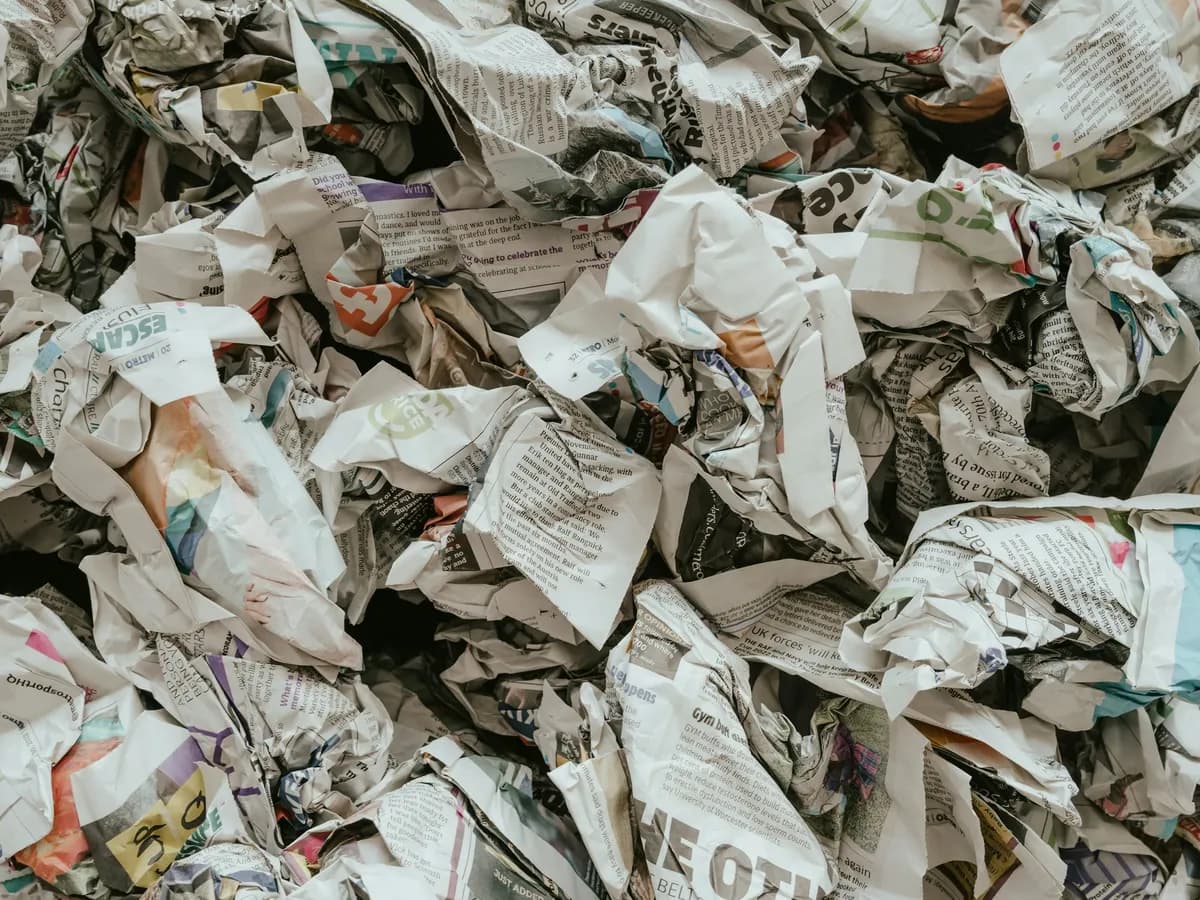
Paper and paperboard made up the largest share of municipal solid waste in the United States in 2018, according to the US Environmental Protection Agency. They accounted for 23.1% of the total, about 67.4 million tons. Business cards are a small part of that total, but every box printed adds to it.
Recycling helps. The EPA reports a recycling rate of 68.2% for paper and paperboard in 2018. Even so, landfills received 17.2 million tons that year.
Where the waste comes from
- Discarded cards. Recipients discard many cards soon after a meeting, sometimes before they save the details.
- Reprints. A new phone number, job title or office address makes a whole box of cards out of date at once.
- Leftover boxes. Companies print cards by the hundred, and the leftovers often go to waste when someone changes role.
- Laminated finishes. Laminated paper is made of two bonded materials, so you cannot recycle it, according to Suffolk County Council's recycling guidance.
How a reusable card helps
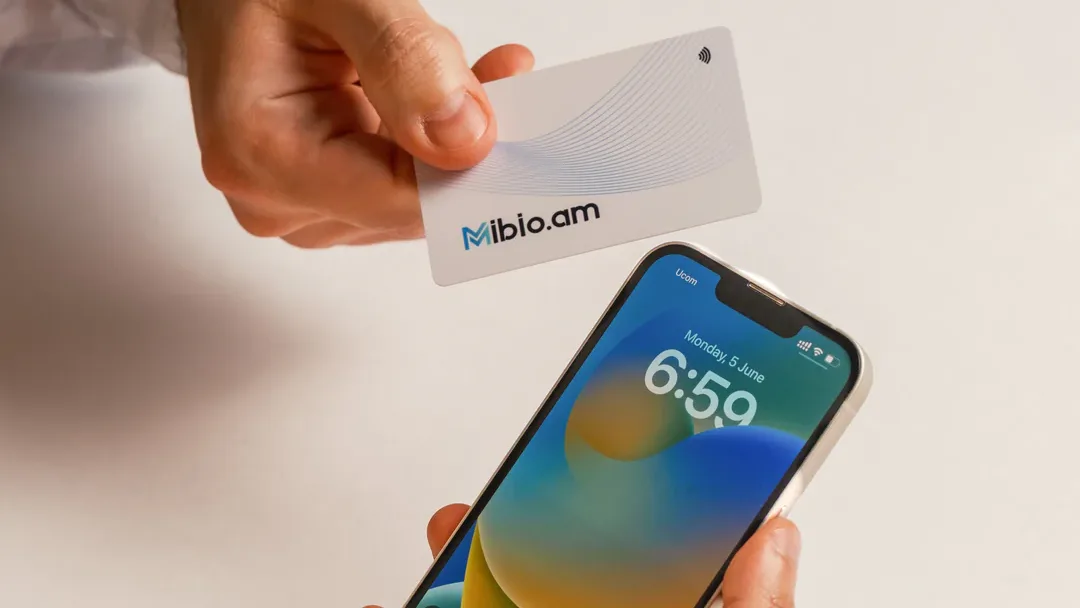
You order an NFC business card once and use it again and again. Each tap shares your profile, and the other person saves your contact details to their phone. Each new contact uses no paper at all. When your details change, you update your profile instead of ordering a new box of cards.
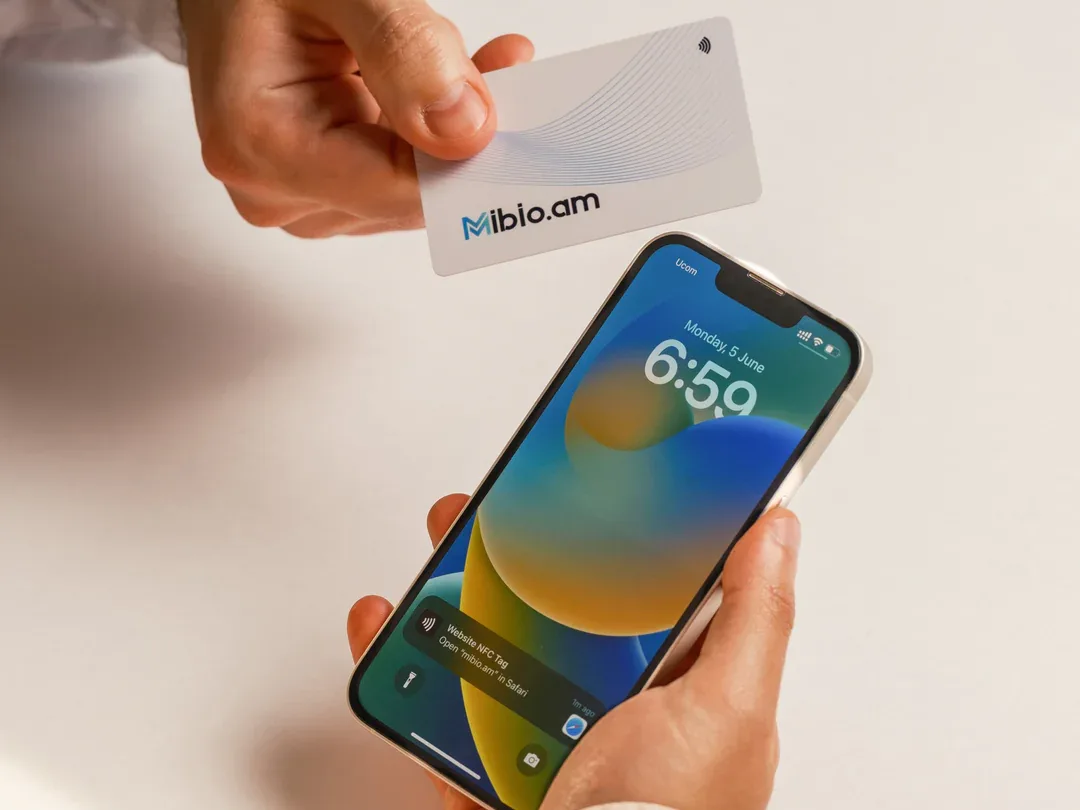
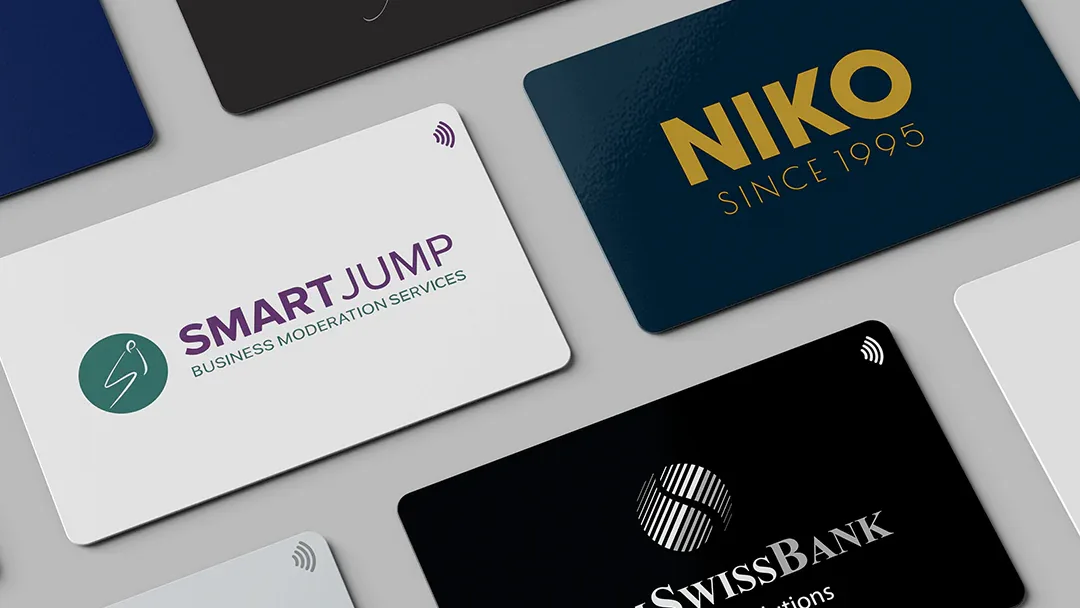
A reusable card is made of PVC or metal, so its benefit comes from long use. It also stays useful when your details change, because a Mibio card opens a profile you can edit at any time.
Sources
- 4 Business Card Statistics that Will Make You Rethink Your Strategy. Adobe Blog, 2016.
- Paper and Paperboard: Material-Specific Data. US Environmental Protection Agency.
- National Overview: Facts and Figures on Materials, Wastes and Recycling. US Environmental Protection Agency.
- Laminated paper. Suffolk County Council.
Share your contact details with a single tap
We design each Mibio card for you free of charge, and you can update your profile at any time.
Get your smart card